Professional networking platforms are crucial for identifying opportunities and promoting long-term growth. Businesses are moving away from traditional lead generation channels that are crowded and less reliable. Instead, they are focusing on platforms that offer relevance and precise targeting. B2B leads on LinkedIn help businesses reach the right audience through a platform designed for professional networking and business conversations.
LinkedIn's role in generating leads is influenced by changes in customer behaviour. Modern lead generation is about building trust and establishing relevance, rather than just attracting attention. LinkedIn empowers businesses to maintain visibility with their target audiences, driving transformation and engagement.
LinkedIn also connects the marketing and sales operations. While marketing teams can use the platform to create awareness and interest, sales teams can initiate relevant discussions. Quality content is at the heart of this ecosystem. Educational materials and industry insights help companies position themselves as competent and reliable partners. This generates high-quality B2B leads on LinkedIn.
Paid advertising helps businesses expand their reach. LinkedIn Ads enables businesses to create quality leads by tailoring messaging to targeted audiences. This boosts visibility and helps businesses connect with audiences beyond their existing network.
LinkedIn's value as a B2B lead generation tool comes from its ability to promote informed decision-making. Companies can build consistent lead pipelines by integrating LinkedIn into their broader marketing and sales strategies. Generating B2B leads on LinkedIn is the first step towards creating long-term business partnerships.
Identifying the Right Audience for Generating B2B Leads on LinkedIn
Reaching the right audience is a crucial first step towards generating B2B leads on LinkedIn. LinkedIn's strength lies in its focus on precision, unlike other digital platforms that prioritise numbers. The platform helps businesses focus on the professionals who are most likely to make purchasing decisions. This ensures lead generation efforts are in line with actual business opportunities rather than mere superficial interactions.
The first step in a systematic audience identification process is defining the ideal customer profile (ICP). Businesses that want B2B leads on LinkedIn must be clear about the industries that might benefit from their products or services. A well-defined ICP also highlights the issues common to those companies.
Industry alignment is important. People interact more with content that addresses the problems in their industry. Businesses that adjust their marketing efforts to industry-specific needs are more likely to generate qualified leads. This increases engagement and establishes the brand's expertise.
Some actions reveal customer interest, such as reading industry-related content or learning about company updates. Companies can focus their efforts on connecting with professionals who are more inclined to respond positively. This strategy effectively generates B2B leads on LinkedIn who are relevant and ready to make informed decisions.
As markets evolve and corporate goals change, it's essential to review and adjust your targeting criteria. Performance data from various lead generating attempts can help identify which segments are more responsive. Businesses should target these segments to get B2B leads on LinkedIn. Companies that spend time understanding their target audience can improve both lead quality and consistency.
Challenges in Generating B2B Leads on LinkedIn
While LinkedIn is widely recognised as a great B2B marketing tool, achieving consistent and high-quality results can be difficult. Businesses searching for B2B leads on LinkedIn often find that success depends on overcoming many challenges. Understanding these issues is critical for establishing realistic goals and developing a more effective long-term strategy.
Increasing Competition for Attention
Growing competition makes LinkedIn lead generation difficult. As more companies recognise LinkedIn's potential, the platform has become overcrowded with promotional content, thought leadership posts and marketing messages. Even well-crafted material may have lower engagement rates due to this saturation. Standing out from the crowd requires consistent value-driven messaging, solid positioning and an in-depth knowledge of what makes a brand unique in the market.
Balancing Personalisation with Scale
Personalisation is crucial for building trust and relevance. Many companies use automation tools to boost efficiency. However, over-automation can result in generic and impersonal messaging, which can erode trust and reduce response rates. Highly personalised communication involves significant manual effort and may be impractical on a large scale. Balancing personalisation and efficiency can be difficult, especially for teams with limited resources. Businesses must develop systems that allow for effective customisation while maintaining consistency and professionalism.
Measuring Lead Quality and ROI
Assessing how well LinkedIn lead-generation strategies are performing can be difficult. Performance metrics may not accurately represent the quality of leads or their impact on revenue generation. Companies targeting B2B leads on LinkedIn often struggle to link platform metrics to actual sales results. Without clear ways to quantify LinkedIn's impact on their pipelines, companies may wrongly estimate its value. This can lead to mismatched strategies and expectations.
Best Practices for Long-Term B2B Lead Generation Success on LinkedIn
Achieving sustained results from LinkedIn requires a long-term, strategic approach, rather than short-term, campaign-driven efforts. Successful businesses that depend on LinkedIn for B2B leads prioritise credibility, relevance and trust as key elements of their strategy. One key tactic is to view LinkedIn as a platform for building relationships rather than a direct sales channel. This ensures your lead generation strategies are impactful and can develop over time.
Posting content regularly is important for lead generation. Long-term success with B2B leads on LinkedIn requires a consistent presence on the platform. This increases familiarity and encourages prospects to respond positively when the business contacts them or offers relevant solutions.
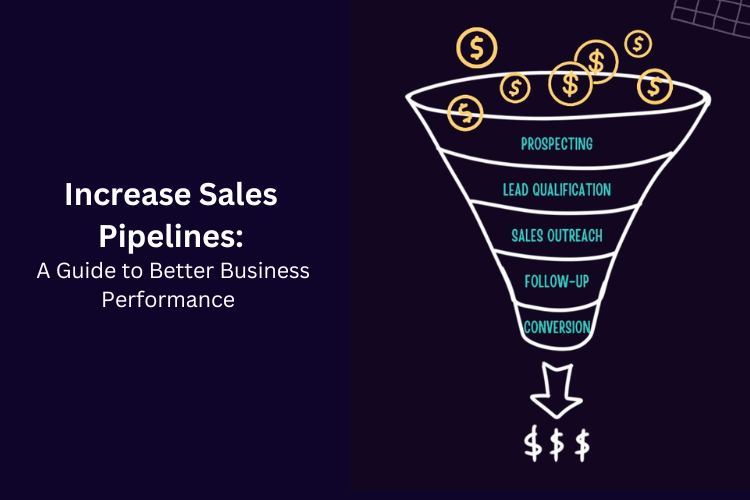
Long-term lead generation involves achievable goals and an emphasis on quality over quantity. Businesses should examine their performance metrics and understand the journey of leads through the sales funnel. Regular analysis shows what factors contribute to meaningful relationships. This strategy helps companies get B2B leads on LinkedIn without relying on guesswork.
Companies can benefit from working with digital marketing specialists who understand the platform and the B2B industry as a whole. Experts such as Sales Magnitude can enhance targeting, improve messaging, and integrate LinkedIn into the overall digital strategy. Learning from expert insights helps organisations avoid standard problems and boost their chances of consistently generating B2B leads on LinkedIn.
Long-term success comes from viewing LinkedIn as a strategic investment instead of a platform for quick profits. Businesses can develop a long-term framework for creating high-quality B2B leads on LinkedIn by focusing on understanding their audience, consistent interaction and expert assistance.
Conclusion
In today's competitive digital landscape, generating consistent B2B leads on LinkedIn requires more than just superficial activity or short-term strategies. LinkedIn provides a structured environment to build credibility and make informed purchase decisions. LinkedIn leads can become a consistent source of long-term business value rather than a temporary marketing success.
Understanding your target audience and prioritising value-driven communication are key to successful B2B lead generation on LinkedIn. Businesses that focus on relevance, clarity and relationship-building are better able to attract leads that align with their long-term goals. A measured strategy ensures the marketing messages reach the right audience.
Integrating LinkedIn into broader B2B marketing and sales strategies allows companies to improve lead quality and create a seamless buying experience. Continuous monitoring and refining ensure lead generation efforts are in line with changing market conditions and buyer expectations.
In the end, B2B leads on LinkedIn produce the best outcomes when businesses view the platform as a long-term investment. Companies that commit to consistency, professionalism and strategic planning can transform LinkedIn from a networking tool into a sustainable growth pipeline. By focusing on informed engagement and meaningful connections, organisations can turn professional relationships into lasting business outcomes.
Explore Sales Magnitude's digital marketing services for support with your marketing goals.