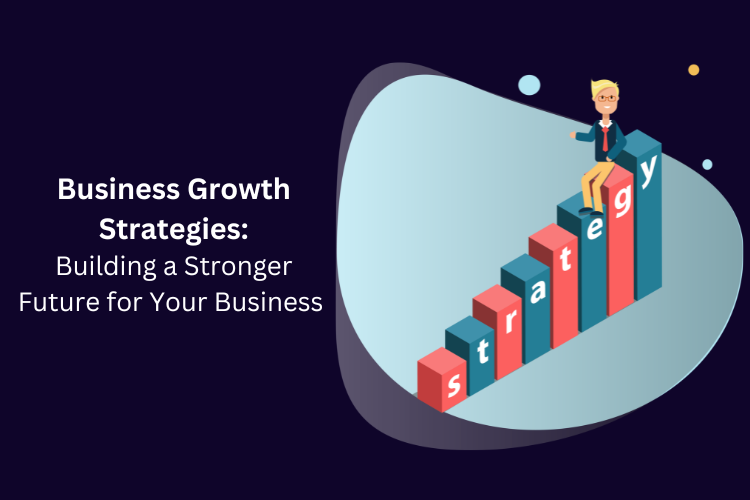
Growth is often considered a one-time milestone. In reality, it's an ongoing process that develops over time. In a highly competitive environment where customer expectations rise, achieving growth is no longer optional. Effective business growth strategies help companies move forward confidently, eliminating trial and error.
Business growth is all about gaining momentum without losing stability. Many businesses that achieve quick success often struggle later due to inadequate resources or unclear priorities. Unstructured growth can quickly become unsustainable.
The importance of well-defined business growth strategies is higher in fluctuating market settings. Businesses that fail to adapt to the changes lose their relevance. Growth strategies provide a framework for responding to these changes. Firms can make adjustments while remaining on track with long-term goals.
Balance is a key aspect of growth. Growing too rapidly can exhaust available resources, while expanding too slowly can make a company stagnate. Strategic growth contributes to this balance by matching objectives with available capabilities. This reduces risk while boosting the chances of long-term success.
Financial stability is another key factor. Growth is incomplete without investments in people and technology. These investments reduce cash flow and limit future flexibility if not planned carefully. Businesses can use growth strategies to predict financial needs and manage resources effectively. They can grow with confidence rather than uncertainty.
In the end, growth does not follow a set formula. Effective growth strategies are flexible enough to adapt to changing conditions while remaining structured enough to provide guidance. This blog delves into sustainable business growth strategies. Companies that understand the importance of planning in shaping expansion can grow better, building resilience and long-term value in the process.
Common Mistakes That Hinder Business Growth Strategies
Many companies face challenges in scaling due to easily avoidable mistakes. Usually, growth doesn't stop due to a lack of effort; it slows down when decisions are made without a clear plan. When business growth strategies lack clarity or are applied inconsistently, achieving steady progress becomes a challenge.
Businesses often explore various opportunities without checking whether they match their goals. This unplanned strategy often results in distractions and overtaxed resources. When priorities are unclear, companies choose random opportunities instead of following a strategic plan.
Growth is also restricted by over-dependence on quick wins. While quick outcomes can feel rewarding, they rarely translate into long-term success. Businesses that focus solely on quick revenue growth often ignore processes and client connections. This causes instability over time. Strong business growth strategies balance both short-term performance and long-term planning, ensuring current gains do not sacrifice sustainability.
Insufficient attention to customer needs can hinder growth opportunities. Some businesses become so focused on expansion that they overlook customer experience. Poor communication or service may weaken customer trust, even if the company expands externally. Sustainable plans focus on the customer, acknowledging that long-term success depends on loyalty and regular interaction rather than the volume of leads.
Markets develop, and customer preferences shift. Businesses that rely on old assumptions struggle to remain relevant. Rigid growth techniques can rapidly lose effectiveness. Successful business growth strategies evolve, guided by performance data and market input.
Avoiding these common errors does not ensure immediate success. However, the chances of long-term growth increase. Companies can move forward with greater clarity and confidence by developing flexible growth strategies based on realistic planning.
Financial Planning and Funding for Business Growth Strategies
Financial planning is essential for long-term growth. Expansion becomes a challenge without a clear understanding of financials, regardless of how solid a product or service is. Financial planning is a key component of well-structured business growth strategies, promoting long-term stability and sustainable growth.
Expenses often exceed revenue as operations grow. Without sufficient planning, this gap might disrupt day-to-day operations. Growth strategies ensure businesses have the liquidity to expand without affecting regular operations.
Budgeting is also an important part of the growth strategy. Growth-focused budgets do more than just manage expenses; they also help companies allocate resources effectively. Instead of distributing resources too thinly across multiple projects, successful budgets focus on activities that support long-term goals. This decreases the likelihood of overspending on low-impact initiatives and cutting costs in crucial areas.
Planning for growth involves accurate financial projections. Overly optimistic expectations can lead to incorrect decisions, while conservative estimates may cause unnecessary delays. Accurate forecasting helps firms plan for costs and capital requirements under various growth scenarios.
Cost management during expansion is a crucial part of financial planning that is often neglected. The complexity of a process often causes expenses to go up. Without careful supervision, inefficiencies can slowly erode profitability. Regular financial evaluations are essential for optimising spending and ensuring profitable growth.
Risk management is equally crucial. Growth brings about new financial risks, such as higher debts and exposure to new markets. Businesses that fail to prepare for these risks are more exposed during economic downturns or market instability. Financial planning is an important part of business growth strategies that helps companies identify potential threats early and create buffers that keep the business safe during times of uncertainty. Growth strategies built on solid financial planning help companies expand with precision and flexibility, rather than depending solely on momentum.
The Role of Digital Marketing in Effective Business Growth Strategies
Digital marketing is a crucial support system for modern decision-making. It provides essential insights that empower businesses to identify potential growth opportunities. When properly integrated, digital marketing helps business growth strategies by offering data-driven clarity rather than depending solely on assumptions or instincts.
Measuring success is one of the most important ways digital marketing helps with growth decisions. Every marketing attempt can be tracked in real-time. This level of transparency helps businesses identify which activities lead directly to growth.
Digital marketing can also help you learn your customers' preferences. Analytics and audience insights help firms understand what customers want and how their needs change over time. Partnering with digital marketing experts such as Sales Magnitude ensures growth plans are based on actual demand and not market assumptions.
Greater visibility in competitive markets helps companies expand their reach. Maintaining a steady online presence ensures businesses remain relevant and easily accessible for potential customers. Aligning visibility efforts with the overall business growth strategies strengthens long-term positioning. Digital marketing enhances value through effective lead generation and nurturing strategies. Companies that use digital marketing to expand their consumer base are more likely to have a steady stream of both new and returning customers.
Finally, digital marketing promotes constant learning. Data gathered over time reveals trends and opportunities that may not be easily visible. This helps companies adjust their strategies as conditions change. In a world where educated decisions are the key to success, digital marketing is an invaluable tool. Firms that harness the power of digital marketing can make wiser growth decisions and adjust with confidence.
Conclusion
Sustainable growth is rarely achieved with a single decision or effort. It is the result of a sequence of decisions taken over time, each affected by planning, flexibility and a thorough understanding of the company's goals. Growth is most effective when carried out strategically, with a focus on expansion as well as stability, efficiency and long-term value. Business growth strategies provide the framework for confidently navigating change. These tactics help businesses develop at a pace they can handle while still being adaptable to changes in the market.
What ultimately distinguishes successful businesses is the ability to analyse and refine their strategies. Growth is dynamic, and the strategies that support it should be too. Consistent progress relies on regular evaluations, educated choices and a readiness to adapt. When firms commit to careful planning and execution, business growth strategies become a long-term asset that promotes resilience, relevance and success.
Explore Sales Magnitude's digital marketing services for support with your marketing goals.