In the construction industry, business growth is rarely accidental. It relies on careful planning and a steady flow of suitable opportunities. While skills and experience determine how well a project is delivered, the ability to get construction leads consistently determines how sustainable the business becomes over time.
Leads are the starting point of every project pipeline. However, not all leads are created equal, and not every method of generating them produces reliable results. Some approaches deliver short-term wins, while others help build a more predictable flow of enquiries.
Traditionally, construction businesses have relied on referrals and local networks to generate work. These methods tend to be inconsistent and difficult to scale. Adopting digital methods to get construction leads allows businesses to reach a wider audience and attract enquiries from clients who are already searching for relevant services.
Lead generation is about more than just quantity. Businesses that go after every opportunity often struggle with misaligned expectations and low conversion rates. Lead generation also requires consistency. Construction work is affected by economic cycles and local demand fluctuations. Without a structured approach to attracting enquiries, businesses can face uncertainties that disrupt their cash flow. Employing multiple lead channels helps reduce dependence on any single source and creates a more balanced pipeline.
Ultimately, the goal is not just to generate enquiries, but to build a process that supports sustainable growth. Construction businesses that approach this thoughtfully are better positioned to maintain profitability and adapt to changing market conditions.
This blog explores the various ways businesses can get construction leads. Businesses can follow these guidelines to build a reliable foundation for future opportunities.
Get Construction Leads – Importance of Targeting the Right Audience
Construction businesses usually focus on volume when striving for lead generation. However, the real measure of success lies in how relevant those leads are to the services being offered. Targeting the right audience plays a central role in improving lead quality and making it easier to get construction leads.
Audience targeting is about clarity. Construction companies cater to specific markets, like homeowners or commercial developers. Each group has different expectations and decision-making processes. When lead generation efforts are generic, they often result in conversations with unsuitable prospects.
Another advantage of clear audience targeting is improved communication. When a business understands its audience, it can explain its services in a way that feels relevant and specific. Residential clients may respond better to clear explanations around timelines and budgets, while commercial clients often prioritise compliance and experience. Addressing these priorities builds trust early and improves the likelihood that enquiries will progress beyond the first conversation.
Better targeting also results in more efficient use of resources. Sales teams can spend less time responding to unsuitable enquiries and focus on genuinely interested customers. This efficiency becomes especially important as businesses scale. Targeted strategies help get construction leads that are more likely to convert.
Digital lead generation further reinforces the importance of targeting. With the help of digital marketing experts like Sales Magnitude, companies can get construction leads from interested audiences, rather than relying on general visibility alone.
When services and messaging are aligned with a clearly defined customer profile, lead generation is easier to manage. Businesses can focus on building relationships with clients who value their expertise. This makes lead generation a strategic advantage.
Common Mistakes to Avoid When Generating Construction Leads
Efforts to get construction leads often begin with good intentions. However, many businesses struggle to see consistent results. Lead generation is not just about visibility or publicity; it requires alignment between strategy, execution, and follow-through. Understanding where things commonly go wrong helps construction businesses refine their approach and focus on methods that deliver more relevant queries over time.
Focusing on Quantity Over Quality
Many businesses focus on the quantity of enquiries rather than their relevance. While a large number of leads may appear promising, they usually end in unproductive discussions. When businesses try to get construction leads without specifying the types of projects or clients they wish to attract, they end up spending a lot of time sifting out unsuitable enquiries. A smaller number of well-matched leads usually delivers better outcomes than a large pool of unqualified prospects.
Relying on a Single Lead Source
Many construction companies rely greatly on a single channel, such as referrals or a website. While this may work for a short time, it introduces vulnerability. Market factors or seasonal slowdowns can quickly reduce enquiry volume. It's crucial to diversify lead sources and balance short-term methods with long-term strategies to regularly get construction leads.
Weak Online Presence
Potential customers often evaluate a company online before contacting them. An obsolete website or insufficient content can discourage potential customers. Businesses without a solid internet presence risk losing opportunities even when there is customer interest. Detailed documentation and easily available contact information help build confidence from the beginning.
Poor Follow-Up Practices
Generating enquiries is only part of the process. Slow responses or inconsistent follow-ups can quickly diminish interest. Many businesses devote time and resources to get construction leads, but lose them due to delayed or unstructured follow-up. Timely and effective interaction is essential for converting enquiries into confirmed projects.
Get Construction Leads – Why Nurturing Matters
The primary goal of many construction companies is to generate new leads. However, being able to consistently get construction leads is only one aspect of business growth. Nurturing those leads is equally crucial in establishing long-term stability and increasing conversion rates.
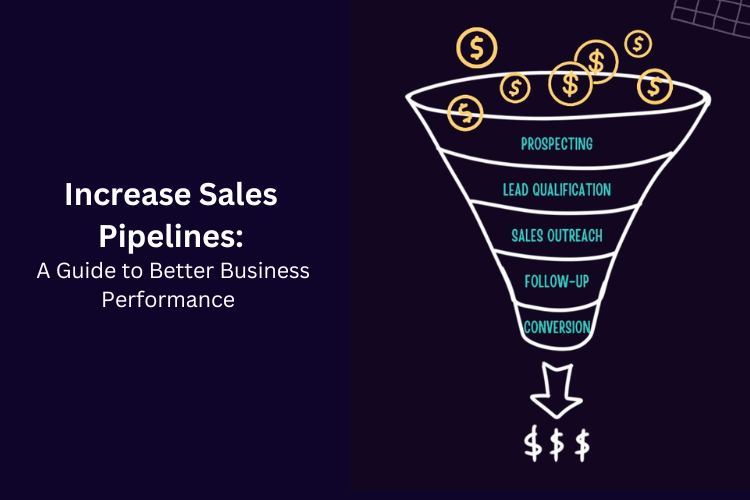
Construction plans cannot be completed in a hurry. Customers must weigh their selections and make budgetary decisions. Poor communication could lead to missed opportunities. Lead nurturing keeps customers interested as they move through the sales funnel. Lead generation without nurturing may yield queries that never progress beyond the initial contact.
Relationship building is a significant benefit of nurturing leads. Since construction projects need large investments, building trust is crucial. Regular and systematic communication helps establish the company as reliable and professional. When customers feel supported, rather than pressured, they are more likely to connect with the company.
Nurturing connections also helps clear doubts and concerns. Many leads engage during the initial research phase, looking for clarity rather than a prompt commitment. Providing relevant information and setting realistic expectations helps these prospects make educated decisions. Companies that only care about closing deals quickly skip this step, making it tougher to get construction leads who are ready to move forward.
Lead nurturing also boosts efficiency. Companies can focus on high-potential customers using structured follow-up processes. This reduces guesswork and ensures no enquiry is overlooked. Over time, this consistency leads to better forecasting and more predictable workflows.
Nurturing turns lead generation into sustainable growth. Businesses that invest time in follow-up and relationship-building are better positioned to convert interest into confirmed projects. They maximise the value of the leads they already have, creating a more balanced and effective approach to lead management.
Conclusion
Generating construction leads is about more than applying a single strategy or quick fix. It's about understanding the target audience while achieving clarity and consistency. Businesses that focus only on short-term gains fail to maintain momentum. Those that adopt a more systematic approach are better positioned to manage long-term growth.
A company's ability to consistently get construction leads relies on several factors. Identifying the right audience and using suitable channels are essential for effective lead generation. It's equally crucial to realise that factors like market conditions and customer behaviour affect lead generation. Strategies that work now may require adjustments in the future. Regular evaluation helps companies focus on what's valuable and avoid activities that don't support long-term goals. This flexibility helps reduce wasted effort and increase overall efficiency.
Successful lead creation requires alignment. When a construction business recognises its strengths, identifies the ideal clients and maintains consistent communication, lead generation becomes more reliable. Instead of pursuing every opportunity, companies are better prepared to attract projects that align with their strengths and foster sustainable growth.
Explore Sales Magnitude's digital marketing services for support with your marketing goals.