Offering a good product or service is no longer enough in an increasingly competitive environment. Businesses need a steady flow of potential customers who are genuinely interested and ready to engage. Leads for business development represent the starting point of every meaningful business opportunity.
Business development is about identifying opportunities and turning them into meaningful relationships that drive revenue. Leads are the foundation of this process. They are significantly more useful than random contacts or cold targets because they have expressed an interest in what a company offers. The importance of leads in business growth lies in their ability to create a predictable pathway from initial interest to long-term customer relationships.
Every lead may not play the same role in driving business success. While some customers may be prepared to make a decision, others may need additional time and support. Understanding this difference is crucial for companies aiming to establish dependable pipelines. The process of generating and managing leads has also changed. Traditional approaches that relied on offline networking are complemented by digital strategies that offer greater reach and precision. Digital marketing experts like Sales Magnitude provide businesses access to a wide range of lead generation methods.
This shift has made it necessary for businesses to rethink how they approach lead generation. There is a growing emphasis on building trust and delivering value at every stage of the interaction. Potential clients are more likely to interact with brands that understand their needs and communicate clearly.
Leads form the foundation upon which business development efforts are built. Without a consistent and well-managed flow of leads for business development, even the most well-designed strategies can struggle to deliver results. As the landscape evolves, companies that refine their lead generation processes can capitalise on emerging opportunities.
Leads for Business Development – Adapting Strategies to Changing Markets
Markets are dynamic by nature. Changing economic conditions and customer expectations can quickly redefine how businesses operate. Relying on fixed methods to generate leads for business development in such an environment can limit growth rather than support it. Adaptability is more than just an advantage; it is a necessity for any business that wants to maintain a steady and relevant pipeline.
Changing Customer Behaviour
Buyers are more informed and selective; they conduct detailed research before connecting with a business. Effective lead generation goes beyond simple outreach or conventional marketing methods. Companies must align their lead generation strategies with the evolving needs of their customers.
Economic Shifts and Decision-Making Patterns
Economic fluctuations affect lead generation strategies. During periods of uncertainty, decision-making cycles tend to become longer; budgets are also reviewed more carefully. Generating leads for business development requires a stronger emphasis on value and trust. Businesses may need to adjust their communication to focus on cost-efficiency or long-term benefits. Phases of economic growth may witness more innovation and higher investments.
The Role of Data and Digital Channels
Many modern businesses generate leads by leveraging digital channels and making data-based decisions. Companies that consistently track performance metrics can identify which strategies are effective and what requires changes. This data-driven approach helps companies get quality leads for business development.
Evolving Messaging and Market Relevance
Flexibility in messaging is equally important. As industries shift, the priorities of potential clients change. Previously relevant messages may become redundant if they fail to reflect current challenges or expectations. Businesses that improve their value propositions or reposition their services can better match current market demands.
Adapting lead generation strategies is about maintaining relevance in a dynamic environment. Businesses can ensure their lead generation efforts remain effective and aligned with long-term growth objectives.
Common Mistakes That Limit the Generation of Leads for Business Development
Many companies invest a lot of time and resources in generating leads for business development. However, they may fail to achieve meaningful results due to avoidable errors. Identifying and correcting these flaws is crucial for developing a more dependable growth strategy.
Prioritising Quantity Over Quality
While generating a large number of leads may seem productive, not all leads contribute equally to revenue. A high volume of poorly qualified leads can dilute your efforts and reduce overall efficiency. Businesses benefit more from targeting customers who align with their offerings rather than prioritising numbers.
Inconsistent or Delayed Follow-Ups
Timing is crucial in lead generation. Customers may lose interest if they receive inconsistent or delayed responses. Many firms may generate leads for business development but fail to nurture them properly. Establishing an organised follow-up system ensures opportunities are not missed due to this negligence.
Generic Messaging
The use of overly generic messaging is another limiting factor. Customers expect relevance and personalisation; broad messaging often fails to capture their attention. Businesses that rely on standardised messaging risk losing potential leads.
Overreliance on a Single Channel
Relying heavily on one channel for lead generation can create vulnerability. Market dynamics or audience behaviour can shift unexpectedly, reducing the effectiveness of that channel. Adopting a diversified approach ensures a more stable flow of leads. Businesses can reduce their risks and reach a wider audience by exploring multiple channels.
Lack of Lead Nurturing Strategy
Viewing leads as random opportunities rather than part of a process can restrict success. Leads need careful attention through regular interaction and prompt communication. In the absence of a well-defined nurturing process, many potential opportunities are eventually lost.
Failing to Adapt to Market Changes
Markets change constantly. Businesses that fail to adapt their approach risk generating outdated or irrelevant leads for business development.
Scaling Lead Generation Without Compromising Quality
Scaling a business is often treated as a numbers game. However, expansion without planning can do more harm than good. Increasing the volume of leads for business development may look like progress. If quality declines, conversion rates drop and resources get stretched thin. Sustainable growth depends on the ability to scale lead generation efforts while maintaining relevance and alignment with business goals.
Businesses need a clear and well-functioning lead generation system before attempting to scale. Without a stable foundation, scaling simply amplifies existing inefficiencies. Businesses should have clear messaging and value propositions. When these elements are in place, scaling is a process of expansion rather than correction.
It’s crucial to maintain targeting accuracy as lead generation efforts expand. Expanding marketing efforts without specific criteria usually results in a reduction in lead quality. Leads for business development should continue to align with the Ideal Customer Profile. Businesses should refine audience segmentation and use data to identify high-performing segments.
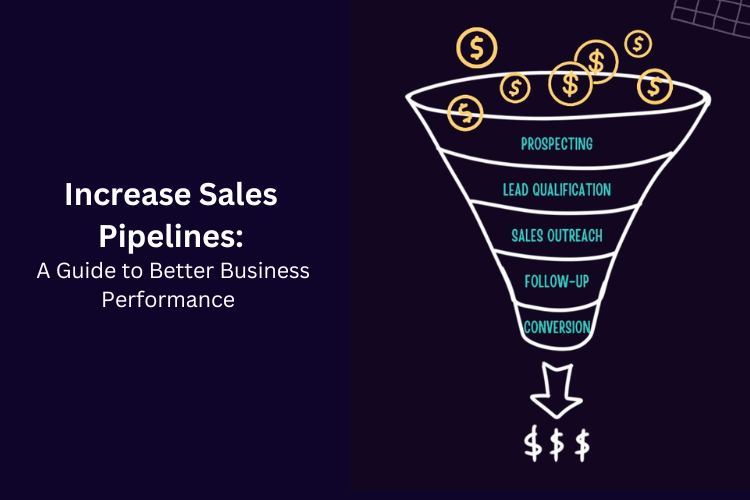
The need for effective qualification grows as the number of leads increases. Without proper filtering, businesses may receive large numbers of low-value leads. Leads should pass through a structured qualification process that assesses fit and readiness. Strong qualification ensures scaling does not compromise efficiency or outcomes.
Rapid scaling can sometimes prioritise immediate results over long-term stability. While short-term campaigns may generate quick leads, they may not always contribute to sustained growth. Leads for business development should be part of a broader strategy that balances immediate opportunities with ongoing relationship-building efforts.
Scaling is a constant process. As new data emerges and market conditions change, plans must be adjusted to remain effective. Companies may create leads for business development while maintaining the quality that delivers real outcomes.
Conclusion
Business development is not driven by isolated tactics. It requires a combination of consistent effort and adaptability. While different approaches may yield results at different stages, the underlying principle remains the same: sustainable growth depends on building and maintaining a reliable pipeline of opportunities. Leads for business development continue to play a defining role, acting as the bridge between initial interest and long-term business relationships.
Lead generation is just one aspect of the process. The real impact depends on how successfully leads are identified and converted. Success in business development stems from viewing lead creation as a continuous, growing process rather than a one-time effort. By maintaining a balance between scalability and precision, and by continuously improving how leads are managed, businesses can create a system that supports both immediate results and long-term growth.
Explore Sales Magnitude's digital marketing services for support with your marketing goals.