Revenue is one of the best indicators of how well a business is doing and responding to opportunities in its market. All organisations want to build a stronger position over time. However, consistent financial progress isn’t just about increasing the number of transactions. Businesses that have the right plan in place can boost revenue growth and position themselves for long-term success.
Many factors can affect revenue growth. These elements can vary over time and businesses have to keep flexible and monitor their performance over time. The same strategies that are effective in one situation may not be as effective in another. Companies must understand their own situation and find opportunities that fit into their target market.
To find ways to grow your revenues you need to understand your customers. Organisations that understand customer needs and offer products or services that provide real value are much more likely to do business with customers. This information can help them to improve the customer experience and find opportunities to offer additional value. Good customer relations are key for long-term income.
Setting realistic targets is another important aspect of revenue growth. Businesses with clear and achievable objectives have a practical direction and can measure their progress. Technology and data can also help businesses make better decisions than just growing revenues. Sales Magnitude has the know-how in digital marketing for better communication and to give valuable insight into business operations.
The ability to boost revenue growth is a mix of flexibility, successful marketing and understanding of customers. There is no single best strategy for every business. Continuously evaluating their performance and understanding the market opens up additional opportunities for businesses to achieve long-term success and sustainable revenue growth.
Overcome Common Challenges to Boost Revenue Growth
It is hard for a lot of business owners to increase revenue. Knowing what these barriers are is the first step in overcoming them. Customer-centric and agile organisations are better placed to break down barriers and unlock new revenue growth opportunities.
Adapting to Changing Customer Expectations
Tastes, expectations and trends are always changing. An organisation that resists change may find it difficult to attract and retain customers. Consumer feedback on a regular basis and an analysis of purchasing behaviour can give useful insights into changing needs. These insights can help businesses to refine their offerings, and to ensure that their products or services stay relevant and valuable.
Improving Sales Processes
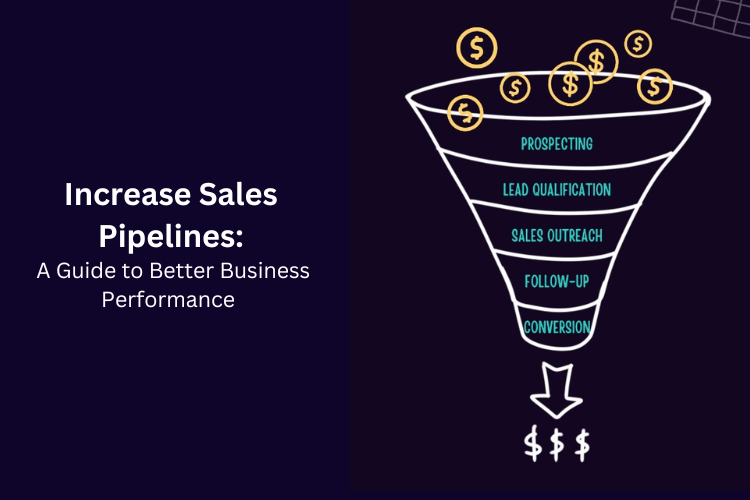
A poor sales process can prevent prospects from becoming paying customers. Companies can audit their sales process step by step to determine where they may be losing customers. Clear communication and timely support can help to increase conversions and boost revenue growth.
Adjusting to Market Changes
Economic factors and technological changes can affect the performance of a business. Businesses need to respond quickly to changing market conditions. They can spot risks and opportunities as they arise by monitoring developments and regularly revisiting business strategies. Adaptability gives companies the ability to change their approach, instead of following strategies that may no longer work.
Maintaining Quality as the Business Grows
Operations can sometimes struggle with growth. If a product or service is of poor quality, businesses can struggle to retain customers and a good reputation, especially as sales grow. As businesses grow, it’s critical to maintain consistent standards in an effort to lay the foundation for long-term success.
Businesses should not focus solely on short-term revenue growth. By adapting to changing conditions and making informed decisions businesses can achieve long-term revenue growth.
Building Strong Customer Relationships to Boost Revenue Growth
Strong customer relationships are key to growing your business and boosting your revenue. Customers who have a positive experience with a business are more likely to make repeat purchases and to recommend it to others. Such relationships are not created by concluding a transaction. By taking a customer-centric approach, businesses can build loyalty and create opportunities to boost revenue growth over time.
Understand Customer Pain Points
If you want to build strong relationships you have to first figure out what customers really want. Businesses should pay attention to consumer tastes and purchasing behaviour to better understand their expectations. Customer needs may also change with time. Businesses should not make assumptions but should review feedback and market developments regularly. Customers are more likely to trust and to stay in touch with a company when they feel that it understands their needs.
Communicate Clearly
Good communication, when clear and timely, goes a long way in customer relations. Businesses need to give customers relevant information and to make sure that critical information is communicated clearly. Listening is important as well. Consumer feedback can help a business to spot potential problems and to know what their customers care about. Responding to relevant feedback demonstrates that the business cares about customer views and is committed to improving the experience.
Personalise Client Engagement
Relevant interactions lead to better client engagement with businesses. Personalisation may include recommending products relevant to the consumer’s preferences or tailoring communication to the consumer’s preferences. However, personalisation should help, not overwhelm. Genuine and relevant interaction with your customers can help them feel understood and also create opportunities to boost revenue growth.
By understanding customers' needs businesses can establish relationships that foster repeat business. Strong customer relationships can be a key building block of sustainable development, increasing revenue growth over the years.
Exploring New Business Opportunities to Boost Revenue Growth
New business opportunities can help organisations identify new sources of revenue and reduce their dependence on existing products or customer groups. As markets expand, companies can generate opportunities to meet emerging customer needs or under-served areas of the market. Taking time to evaluate these opportunities can help companies make informed choices on how to boost revenue growth.
Businesses can uncover new opportunities by looking at different customer segments. An organisation may have a strong presence in one part of the customer base but may be able to serve other parts of the customer base with similar or related needs. Having an understanding of the needs of these potential customers can help businesses decide whether their current products and services can be modified for a wider audience. By expanding the customer base, companies can find new opportunities to boost revenue growth without having to change their products.
Another method is to broaden or diversify the products and services the business offers. Existing customers may have other needs that the organisation can serve through complementary offerings. Extending the range means that more buying opportunities are available, and businesses can continue to build relationships with existing customers. However, new offerings must maintain adequate quality standards while also providing real value.
Before jumping on any new opportunity, companies need to evaluate its potential carefully. Market demand, operational needs and expected returns must all be considered. In addition, businesses will be able to better assess customer response by experimenting on a smaller scale before making a larger investment.
You need market awareness, understanding of your customers and careful evaluation to explore new business opportunities. Businesses should think beyond the immediate sale and consider whether an opportunity can help achieve sustainable long-term growth. This can help them find new ways to boost revenue growth.
Conclusion
Revenue growth is one of the key objectives of companies looking to improve their market position and ensure long-term success. However, long-term development is about more than simply making more sales. Businesses have to know their customers, upgrade their products and services and be flexible enough to adapt to evolving market conditions. In addition, solving common business challenges can open up more opportunities for growth.
By setting realistic goals, making informed decisions and continuously improving their approach, businesses can create a stronger foundation for sustainable success. There is no single strategy that works for every organisation; businesses should identify the approaches that best suit their customers and resources. A consistent and customer-focused approach can help businesses to boost revenue growth while building lasting value and maintaining healthy business performance over the long term.
Explore Sales Magnitude's digital marketing services for support with your marketing goals.