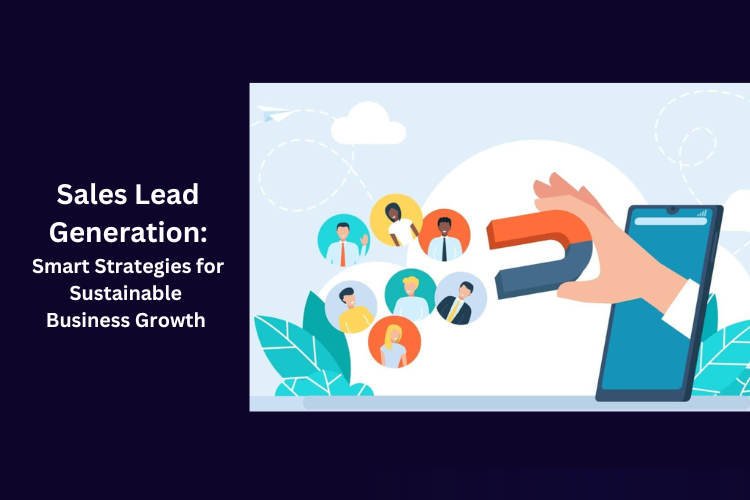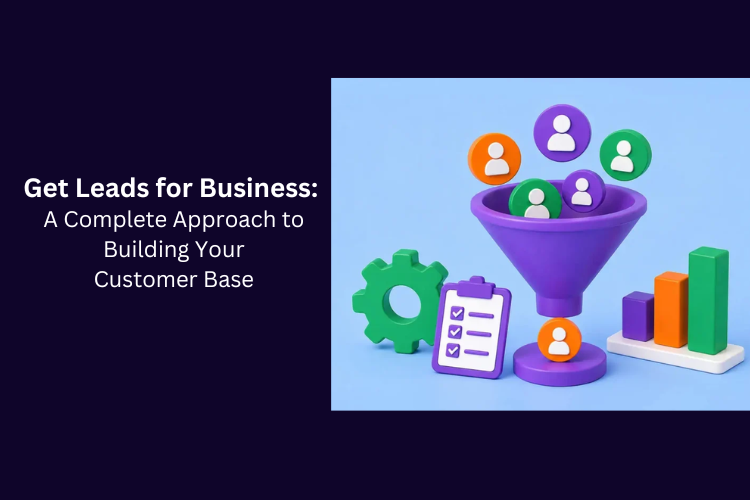
Today’s business environment is very competitive with ever changing customer expectations. Sales lead generation has become one of the most important activities for organisations that want to sustain growth, and have a robust sales pipeline. Businesses need a structured approach to attracting potential customers who are genuinely interested in their products or services rather than relying on chance enquiries or word-of-mouth referrals. Companies that focus on using good lead generation tactics are usually better able to respond to changes in consumer behaviour and remain competitive in more dynamic markets.
The process of lead generation has changed a lot since the advent of digital technology. Now customers can access a lot of useful information. It is important to have a strong online presence for a business to be seen across a range of digital platforms. Sales Magnitude’s digital marketing expertise helps companies find new customers and guide them through the buying decision process.
Sales lead generation isn’t just about using new marketing tactics or funding digital platforms. The key to success is to create genuine relationships with potential clients and to give value to them at every step. In addition, a strong value proposition is an important part of lead generation as it describes the benefits a potential client can obtain.
Some prospects aren’t ready to buy yet. Some are looking at options, some are comparing suppliers or gathering information before making a final decision. Regular follow up and relevant content keep a business visible. Sales lead generation is not a one-off exercise. In today’s world of evolving customer expectations and increasing competition in virtually every sector, businesses that focus on meaningful engagement and are consistently tweaking their approach will be best positioned to create a steady flow of qualified leads.
Common Mistakes That Affect Sales Lead Generation
Marketing tools are great but they don’t always work as well as you want them to. Small mistakes in targeting or follow-up can reduce the quality of the leads and make it more difficult to convert them. By recognising and avoiding these common mistakes, companies can boost their lead generation and cultivate a constant flow of qualified prospects.
Chasing The Wrong People
If you try to please everyone you will often attract people who are not interested in what you are selling. This wastes marketing resources and puts undue strain on sales teams, who spend valuable time following up with unqualified leads. Businesses that focus on attracting qualified prospects rather than increasing lead volume improve conversion rates and long-term customer relationships.
Quantity over Quality
Many firms are more concerned with the quantity of leads they create as opposed to the quality of those leads and the probability they will turn into customers. A large database can be stunning, but not very effective if most of the leads are not interested. Quality is paramount in successful sales lead generation. When businesses focus on attracting consumers who really want to buy their products or services, they usually experience more engagement and better marketing performance.
Not Monitoring Performance
If you don’t track the results, you don’t know which marketing activities produce good leads and what needs improvement. Decisions based on assumptions rather than data usually lead to unsuccessful campaigns and money lost. Tracking performance is a must to improve sales lead generation. This allows companies to improve their marketing plans and to better utilise their resources. Continuous evaluation and adaptation ensure that sales lead generation is effective in an increasingly competitive market.
Sales Lead Generation Across Different Channels
For successful sales lead generation, businesses must connect with potential customers wherever they are most active. Unfortunately, relying on one marketing platform is limiting and reduces the opportunity to connect with qualified prospects. Today’s buyers are interacting with brands across multiple touchpoints before making a buying decision. A cohesive presence across channels increases brand awareness and creates more opportunities for organisations to attract and develop high quality leads.
Search Engine Optimisation (SEO)
When your website ranks higher on search engines you get more visibility and you can get more organic traffic from individuals who are searching for a solution. SEO is important for lead creation. Useful blog posts and frequent website content updates help companies build trust and get quality leads.
Social Media Websites
Social media also allows firms to reach more people and talk directly to the people they want to reach. Companies can showcase their skills and network with potential clients. Regular updates and targeted advertising can help businesses get good leads and build lasting relationships. Social media can also be used by businesses to find out what customers like and how the market is changing and then this data can be used to better improve their strategy for finding new leads.
Email Marketing
Email marketing remains one of the best ways to stay in touch with prospects and nurture leads. Rather than the distribution of generic promotional messages, it is possible to deploy personalised content that fits the interests and needs of the individual prospects. By personalising messaging and segmenting email lists, you can boost engagement and keep leads engaged until they’re ready to purchase.
The best sales lead generation strategies utilise multiple channels to provide a seamless customer experience. A solid multi-channel lead generation strategy ensures long-term steady business growth.
Creating a Long-Term Sales Lead Generation Strategy
To make a business successful you need to do more than just get some enquiries or run short-term marketing campaigns. The best long-term way to generate sales leads is to create a consistent process of attracting and closing qualified prospects over time. Rather than chasing short-term wins, companies need to have a strategic plan that adjusts to the market, and builds consumer loyalty.
Knowing the target audience is the base of a long-term lead generation plan. Companies that track market trends and buying patterns are better able to develop effective marketing campaigns. Creating detailed buyer profiles helps organisations identify the prospects most likely to buy from them.
Another important aspect of long term lead generation is setting clear measurable goals. Rather than focusing on getting more leads, businesses need to set goals that are achievable and align with their overall growth plan. When your goals are clear you can better measure your success and discover opportunities for growth.
To be effective, you have to be consistent in your lead creation efforts. Sending your customers useful content keeps you top of mind through the entire buying process, allowing you to stay in touch with them. A lot of purchase decisions take time, so involvement often helps build trust and familiarity and keeps the business in people’s minds when they’re ready to buy. In the long term, you’ll find that building customer relationships is often worth more than short-term sales.
Ultimately, building a long-term sales lead generation plan is all about consistency and commitment to continual improvement. Companies should invest in long-term customer relationships and in the creation of valuable content, not short-term profits. Organisations that use a planned, adaptive strategy are able to build a reliable pipeline of quality leads and drive sustained business growth through effective lead generation.
Conclusion
Sales lead generation is an important part of making a business successful and long lasting. It’s important to get new prospects, but the key to long-term success is getting good leads and constantly improving the ways you engage potential buyers. A full-fledged plan with digital marketing and follow up on a continuous basis creates a better foundation for business growth and helps companies to maintain a steady flow of sales pipelines.
With changing market conditions and customer expectations, businesses need to remain flexible and prepared to change their approach to lead generation. Exploring multiple marketing channels and utilising technology can significantly boost lead quality and conversion rates. Conversely, establishing confidence through meaningful communication and delivering real value means stronger customer relationships that transcend the sale.
Finally, obtaining sales leads should not be a one-time thing but an ongoing process. Companies that commit to continuous improvement tend to find new opportunities and succeed over the long term. By adopting a strategic and customer-centric approach, companies may strengthen their market presence and foster long-term success in an increasingly competitive business landscape.
Explore Sales Magnitude's digital marketing services for support with your marketing goals.