Today’s businesses need to operate in a more and more competitive market, where capturing the potential customers’ attention is just the beginning. In an era where customers have more information and more options than ever before, businesses need to find smart ways to reach the right people and turn their interests into opportunities. Simply marketing a product or service may not be enough to keep a business growing. Solid lead generation strategies can help you build a steady stream of prospects.
Knowing your audience is very important. Businesses need to know the preferences and expectations of the people they want to reach. This will help them to create more relevant messages and offers, rather than using general communication. It can be helpful to know that different groups of customers may have different buying habits and priorities when you are trying to find new customers.
Each prospect’s customer journey is different. Some are ready to buy, others are still researching or trying to figure out their needs. Therefore, the effectiveness of lead generation strategies can be hampered by the need to treat all leads the same. Companies need to realise that not everybody is equally interested and they should adapt their communication strategies accordingly.
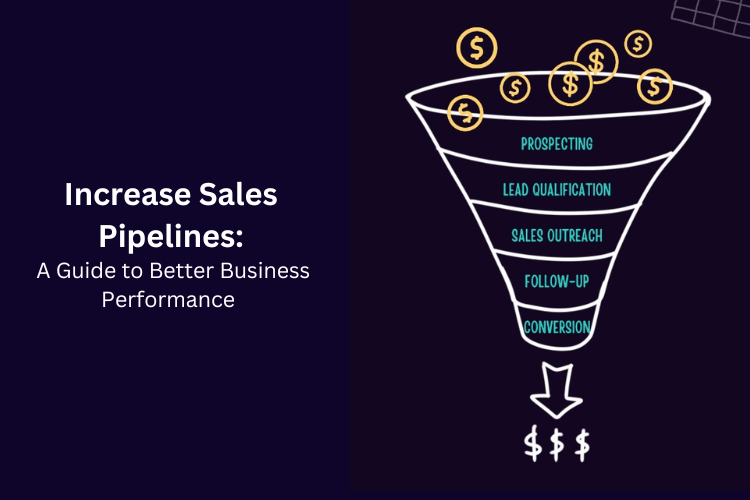
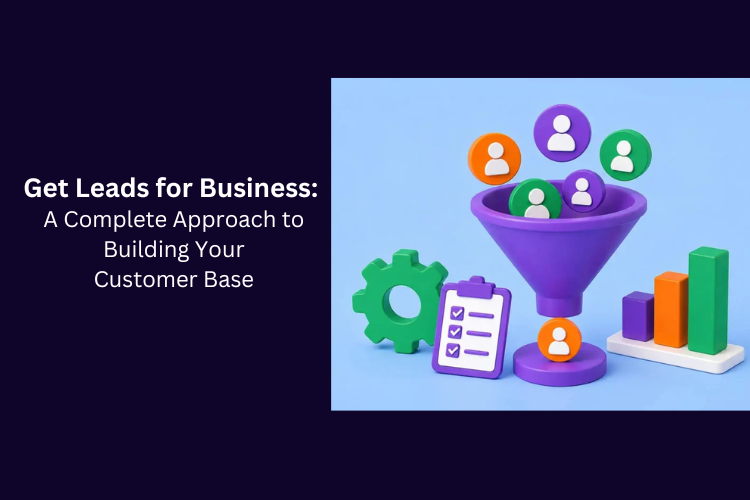
Lead nurturing is a key part of lead generation and helps companies build and maintain relationships with prospects who aren’t ready to buy. Companies can attract potential customers and move them down the sales funnel by interacting and providing relevant content on a regular basis.
Lead generation isn’t a one time marketing effort. It’s an ongoing process. Customer expectations are always changing, and new channels of communication are always being created. Companies that want to build lead generation strategies for long term growth should constantly be evaluating their approach.
Choosing the Right Channels for Lead Generation Strategies
Businesses have a number of different channels to communicate with potential customers. However, this does not necessarily mean that using every available platform will automatically give better results. Selecting the right channels is one of the most critical components of successful lead generation strategies. A profitable activity for one organisation may not be profitable for another. Therefore, businesses should get to know the factors influencing their target audience’s purchasing decisions before choosing the best place to focus their lead generation efforts.
First, you need to figure out which channels your target audience is most likely to use to engage with businesses. Audience research can provide useful insights that help companies to distribute their resources in channels that are more relevant to their target audience.
Effective lead generation strategies aren’t always based on one channel. Using complementary channels, a company can reach potential buyers at different stages of the buying process. The goal is not to use as many channels as possible but to develop a cohesive strategy, with each channel playing a specific role.
Digital marketing has affected lead generation today. There are many digital touchpoints that a business can use to attract potential customers. While traditional methods can help you generate leads digital channels often offer more flexibility and scalability. Sales Magnitude's digital marketing expertise helps companies to build targeted campaigns and improve their overall lead generation efforts.
Different channels have different roles at different stages of the customer journey. Businesses can support customers at each stage through a range of channels rather than using one channel for all tasks. This will add a systematic nature to your lead generation strategies and will help prospects move from initial awareness to a purchase decision.
When businesses combine audience understanding with constant testing, they can build successful lead generation strategies.
Personalise Lead Generation Strategies
Personalisation can help businesses speak to potential customers according to their interests and where they are in the buying process. This can make lead generation strategies more effective. Instead of sending the same message to all prospects, businesses can use available customer information to create more relevant and targeted communication. When prospects are presented with information that is relevant to their particular situation they may be more willing to explore what products or services the business has to offer.
Content is a crucial battleground for personalising lead generation strategies. Although they are all part of the same overall target market, prospects will have different questions and priorities. This enables a business to create various content that addresses the particular interests and problems of each segment of its audience. Offering helpful articles or other materials can help prospects to find information that can help them with their decision making process.
Email marketing provides another opportunity to personalise. Instead of sending the same email to an entire database, businesses can maintain client engagement by sending personalised content and adequate follow-ups. This eliminates the need to manually handle all interactions.
Data is a key driver of personalised lead generation strategies. By looking at campaign performance data and website engagement, businesses can get insight into how prospects are receiving their communication. By analysing this data they can detect trends which will help them understand their customers’ interests and even predict their needs.
Personalisation goes well beyond simply including the name of a prospect in a marketing message or mentioning specific details. It’s about understanding the customer and delivering the right information at the right stage of the buying journey. When used consistently, personalisation can help improve lead generation strategies and create better relationships with potential customers by creating more targeted and engaging interactions.
Setting Clear Lead Generation Goals
Establishing clear goals is an essential first step in developing effective lead generation strategies. Without clear objectives businesses can waste time and resources on marketing activities and not know if they are generating meaningful results. When you establish clear goals, it’s easier to see whether the different lead generation methods are delivering the results you want.
One of the first steps is to determine what the company hopes to achieve through lead generation. Different goals require different methods. Determining the main objective helps businesses to select lead generation approaches that align with their needs.
Objectives should be specific and measurable. Businesses can choose to create objectives that depend on the quality of leads or revenue opportunities rather than a broad objective. Quantifiable objectives give a standard against which performance can be measured. This makes it easier to tell if a particular campaign or channel is performing as expected.
Businesses should have different goals for each stage of their journey. Your prospects won’t all be ready to buy immediately. Then, more communication can be used to qualify those leads and keep in touch with them. This gives a broader view of how well lead generation strategies are performing rather than just counting the number of instant sales.
Lead generation objectives should be reviewed regularly rather than being treated as static targets. Using data-driven evaluation you can choose to move resources from one content or channel to another. The first thing to do when creating successful lead generation strategies is to set clear goals. Having a clear goal in mind and reviewing results regularly can help businesses create a more targeted and responsible lead generation plan. This ensures that lead generation efforts are not simply making contacts, but are making a significant difference in helping the company achieve its bigger goals.
Conclusion
Leads are vital to the survival of any business, as they not only bring in new customers but also lay the foundation for future growth. Lead generation isn’t just a matter of collecting contact info or spreading a wide net. It means defining your perfect customer, and talking a language that is relevant to the customer journey. Businesses can develop lead generation strategies that will bring in people who are genuinely interested in their products or services.
Personalisation and performance monitoring can also help to improve lead generation initiatives. Businesses should constantly evaluate their performance and change their approach as per the changes in the market conditions and customer expectations. Well-thought-out lead generation strategies can help businesses attract high-quality prospects and build a more durable foundation for long-term business expansion.
Explore Sales Magnitude's digital marketing services for support with your marketing goals.