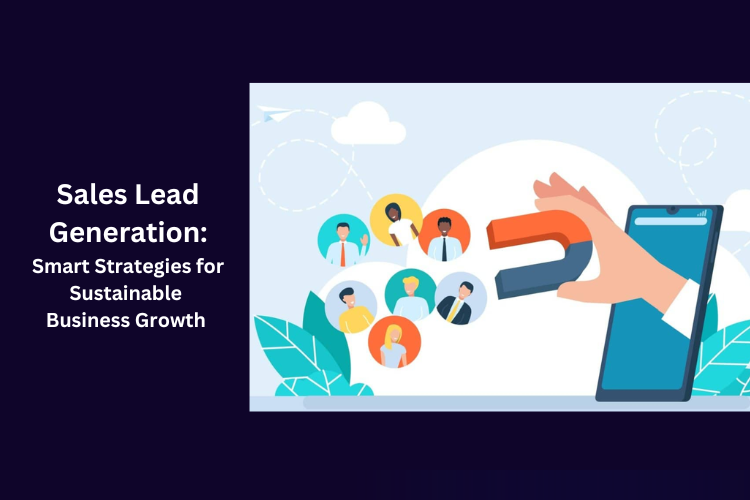
Every organisation needs a steady stream of customers to stay competitive and grow. However, it is not enough to advertise the products or services of a company to attract people who are really interested. Companies need to understand their audience and learn how to engage with them in a meaningful way. Business lead generation is a critical component of the expansion process.
The main goal of lead generation is to connect with the right people at the right time. You don’t expand your business just by getting more inquiries. The quality and relevance of leads are also important. Building meaningful relationships with potential customers can greatly impact lead generation. These connections can help businesses to understand prospective customers better while allowing those customers to learn more about the business.
A successful approach to business lead generation begins with understanding who the business wants to reach. Different customers have different needs; a strategy that works for one audience may not produce the same results with another. Businesses must identify their ideal customers and understand their problems. This can help to shape customer experiences around what matters most to the intended audience.
Businesses have countless ways of attracting potential customers. Traditional techniques such as networking and face-to-face contact can be combined with digital strategies such as email messaging, search engines and social media. The optimum combination varies with the nature of the business, target market and business objectives. With Sales Magnitude’s digital marketing expertise, businesses have a menu of options to choose from, instead of being limited to one approach.
Business lead generation should not be considered as simply a way of increasing the number of queries. Companies can create a systematic way to attract and convert potential customers with the right lead generation tactics and a solid understanding of their audience.
Common Challenges in Business Lead Generation
In markets with a lot of competition and options, it’s difficult to create a steady flow of potential clients. Generating interest does not always lead to effective business lead generation as there are various channels and approaches to attracting prospects that businesses may employ.
Getting the Right Audience
One of the biggest challenges in lead generation is reaching people who are truly interested in the products or services being offered. A full marketing campaign can get a lot of visibility, but much of that visibility will be from people who have no intention or ability to purchase. Without a clear audience identification, businesses can waste a lot of time and resources trying to engage prospects that are not likely to be customers.
Generating Quality Leads
A healthy sales pipeline needs a constant flow of prospects. However, changes in the market environment or customer behaviour could result in variations in leads generated. If a business is too dependent on a single source of leads, then it could be especially vulnerable to these changes. By creating multiple outlets for communication with potential clients, companies can develop a more regular presence.
Getting Noticed in a Crowded Market
Prospective customers are often provided with a wealth of information by competing businesses. Hence, just presenting a product or service is not enough to attract the audience. Businesses need to make their product relevant and valuable to their target audience. It’s not enough just to get noticed; you need to give potential customers a reason to keep engaging.
Adapting to the Changing Customer Expectations
Customer expectations and behaviours may change over time. The ways in which individuals identify businesses and communicate with them may change. Businesses need to assess their business lead generation strategies regularly to ensure they are relevant.
Creating Effective Business Lead Generation Strategies
Successful business lead generation strategies require a clear understanding of the objectives of the organisation. Companies can create a structured approach that combines several activities based on their industry and audience rather than depending on one tactic to engage prospects. This can help businesses to create a steady stream of potential customers and generate relevant inquiries.
Businesses should figure out where they are most likely to find their prospective customers. Opportunities can arise from professional relationships, online platforms or other sources depending on the nature of the business. A multi-channel approach also allows businesses to reach different segments of their audience and avoid relying on one source of leads. The focus should be on adopting the channels that are relevant to the target audience, not on using many channels.
As you move through the lead generation process you should clearly communicate the value you are providing to your prospective customers. The more prospects can see how a product or service solves their problems or meets their needs, the more likely they are to engage. Businesses should give enough relevant information to inspire prospects to take the next step without over-complicating the interaction.
It’s crucial to keep reviewing and refining approaches that generate business leads on a regular basis. Companies can track the number of leads they generate, the quality of those leads and the performance of each lead source. This information can show you what is creating great opportunities and what needs some work. Companies are better off trying new methods and then learning from the outcome, rather than sticking with something that’s worked in the past.
Consistency and flexibility are the keys to getting good business leads. Businesses can build lead generation plans that support their long-term growth by consistently assessing their performance and adjusting their strategies.
Converting Leads into Customers
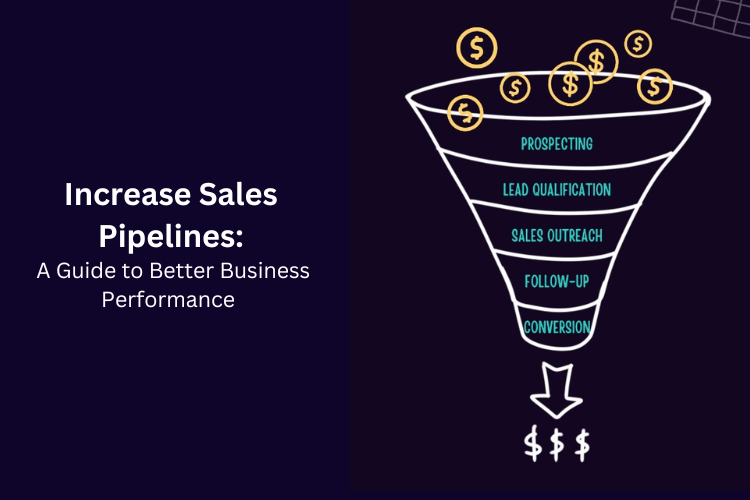
Generating potential customers is just one aspect of the growth process. Business lead generation is truly valuable when it can convert relevant prospects from the initial interest phase to paying customers. A business may have a large number of inquiries but these opportunities can be lost if prospects are unable to get the information or help they require to make a buying decision.
Good timing in communication can greatly influence the conversion of leads. Responding quickly to a potential customer’s interest keeps the conversation moving. Another critical component of converting leads into customers is providing relevant and accurate information. Good communication should help prospects understand how the offer can meet their individual needs, not bombard them with promotional messages.
Follow-up is another important part of business lead generation. Just because your prospects don't respond immediately doesn’t mean there isn’t an opportunity later. Many prospects don’t decide after the first interaction. Proper follow-ups can remind the prospects about the business and also provide them with more information if needed. Businesses can use every interaction as an opportunity to either determine if the prospect’s needs have changed or to provide them with something of value.
Businesses should evaluate how efficiently they convert leads into customers. Tracking customer acquisition costs and conversion rates can help you identify weaknesses in your process. If a source is receiving many inquiries but not many customers, the business may need to examine the sales process that follows.
Converting leads into customers requires more than just increasing the number of business leads generated. It’s about understanding the needs of prospective buyers, removing their doubts and helping them to buy. Businesses can improve their chances and build stronger relationships with potential customers by combining lead generation and successful engagement.
Conclusion
Business growth depends on a consistent ability to attract and engage potential customers. Business lead generation provides a structured way for organisations to identify relevant prospects, build meaningful connections and create opportunities for future sales. However, generating leads is only one part of the process. Businesses also need to understand their audience, communicate their value clearly and provide a smooth path from initial interest to purchase.
An effective approach to business lead generation should therefore focus on both quality and consistency. By choosing appropriate methods and adapting strategies to changing customer expectations, businesses can develop a stronger and more sustainable pipeline of opportunities. Over time, a well-planned lead generation process can support customer acquisition, strengthen business relationships and contribute to long-term growth.
Explore Sales Magnitude's digital marketing services for support with your marketing goals.