All companies, regardless of industry, need a steady stream of leads to achieve long-term success and growth. Sales lead generation is a systematic way of attracting prospective customers and guiding them through the decision making process.
To generate leads, you have to find the right audience. Different customer segments could have different needs and expectations of businesses. Taking the same “one-size-fits-all” approach to all your potential customers can reduce the effectiveness of your lead generation efforts and make your communications less relevant. By targeting the right customer segments companies can concentrate their resources on the prospects who are most likely to be interested in what they have to offer.
Equally important is understanding the importance of market research; research provides businesses with valuable knowledge about their target audience and emerging trends. Also, through continuous research, companies can identify changing customer needs and adjust their lead generation strategies to meet them.
Consistency is also critical. Sales lead generation is rarely a one-time activity that produces long term results. Companies need to continuously evaluate their strategies to determine which initiatives create major opportunities. Metrics like these can help organisations to identify areas for improvement and to make the best use of their resources.
Technology has also transformed the approach that businesses take to sales lead generation and customer management. Sales Magnitude’s digital marketing expertise can help organisations to track interactions and monitor campaigns. However, technology alone is of little use without a clear strategy to support it. Tools can’t replace a deep understanding of your customers’ needs and how you handle your relationships with them.
Successful sales lead generation is knowing who your potential customers are and how to reach them. Businesses can build better connections with potential customers and help them grow their business in the long term.
Setting Clear Goals for Sales Lead Generation
Setting goals is the first step to sales lead generation success. You can generate a lot of leads for your business but without concrete goals, you won’t know whether those leads are turning into real sales. Businesses need to have clear goals to know what they want to accomplish with their lead generation activities.
Begin by defining specific and measurable objectives for lead generation. A business doesn’t only have to try to get more leads. It can set a specific goal that is consistent with its sales plans and overall growth plans. Goals should include both the number and quality of leads. If most of your inquiries are not likely to buy, having a lot of inquiries may not be worth much. The quality of the lead can also depend on the stage of the buying process or the buying intent. By including these things in lead generation goals, businesses can focus on bringing in leads that can turn into customers.
Another important part is aligning sales lead generation goals with the overall business goals. Marketing and sales should not work individually but together to achieve common goals. At this level of alignment, generating leads directly helps the business achieve its goals.
Also, make sure to set a deadline to reach each goal. In the short term, businesses can see how their campaigns are doing and long-term goals can help them continue to grow. However, targets should be realistic; unrealistic expectations can lead to businesses focusing too heavily on lead volume or pursuing approaches that may not produce long-term results.
When you set clear goals, sales lead generation is not only a process that is focused on bringing in prospects, but a process that can be tracked, evaluated and improved all the time.
Common Challenges in Sales Lead Generation
Sales lead generation gives businesses a steady flow of potential customers. However, the results of lead generation are not always immediate and as expected. Companies compete in markets where consumers have plenty of choices. Getting people’s attention and turning that interest into real sales prospects can be difficult.
Difficulty Reaching the Right Audience
While organisations spend a lot of time and money on promotional activities, it’s often difficult to connect with people who are truly interested in their products or services. A target market that is too narrow or poorly defined can lead to messages being shown to people who aren’t relevant to the business. Understanding customer needs allows businesses to develop more targeted lead generation initiatives.
Creating Better Quality Leads
The effectiveness of a campaign is not just in the volume of leads. A business may receive many leads who do not have a genuine buying intent or an immediate need. Having clear criteria for qualifying leads allows businesses to distinguish between different types of prospects and prioritise their follow-up efforts.
Increasing Competition for Customers’ Attention
Potential customers are bombarded with promotional content through search engines, social media, and other channels. Companies need to demonstrate to customers how their goods and services might be of benefit to them. Businesses need to know their audience and develop communications prioritising real customer expectations and problems.
Effective Follow-Ups
Without proper follow-up procedures, businesses may miss out on profitable sales lead generation opportunities. Generic messages cannot address your customers’ concerns. By communicating in a relevant and consistent manner, businesses can stay in touch with their prospects throughout the buying journey.
By planning well and qualifying leads you can reduce the obstacles that come with generating sales leads. Businesses can benefit from a structured approach that focuses on quality and relationship-building.
Building an Effective Sales Lead Generation Strategy
Sales lead generation is not a standalone marketing effort but a vital part of the entire sales process. Businesses must know their main target. Clear goals also help companies make effective use of resources and select appropriate strategies.
It’s important to communicate the value proposition to potential customers. Prospects have to know what services a business provides, and why it might matter to their specific needs. Good messaging doesn’t just outline the features of a product or service; it zeroes in on customer problems. Clear and practical communication can help businesses get noticed and motivate prospects to take the next step. Multi-channel consistency can also result in a more seamless customer experience.
Again, a good strategy requires well-defined lead acquisition and lead management processes. A critical business skill is to collect and process the right information from possible customers in the shortest possible time. Customer relationship management systems are great for keeping track of interactions and lead information.
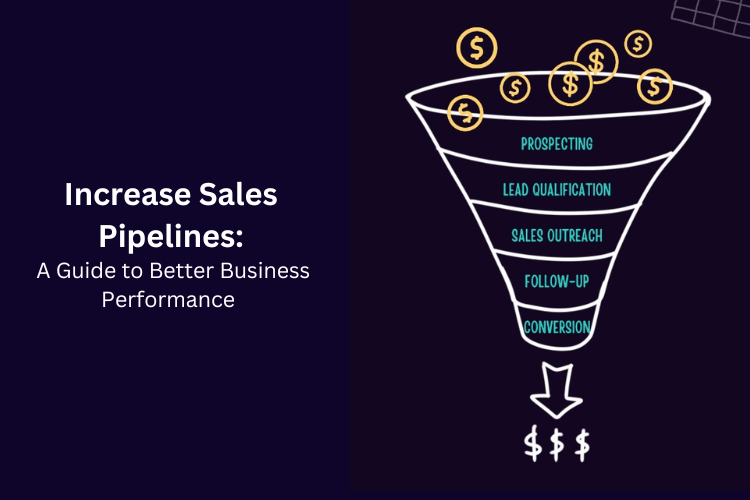
Another important part of the strategies that work for generating sales leads is lead qualification. Some will be more interested than others. Companies establish criteria based on such factors as consumer tastes or customer compatibility with the product or service. This enables sales to concentrate on the best leads and to spend more time on them. At the same time, prospects who are not ready to buy can still go through a nurturing process rather than being automatically disqualified.
Once you have an effective sales lead generation strategy, it’s important that you continue to monitor and improve it. Businesses can monitor things like how many leads they’re generating and how much it costs to get a customer. Combining effective lead qualification with audience knowledge can help businesses create a more sustainable sales lead generation strategy.
Conclusion
Sales lead generation is used by companies to identify potential customers and create new sales opportunities. The first step of a well-planned approach is to understand the target audience and select appropriate methods to reach the potential customers. Companies that invest time in understanding market conditions and customer needs can create more relevant strategies to engage and attract potential customers.
Lead generation is a part of the bigger process. Moreover, it is crucial that businesses pay attention to establishing relationships with potential clients. They can also better leverage their time and resources by focusing on lead quality and relevance, rather than just lead volume.
The sales lead generation process can be reviewed and improved regularly to ensure that it is working effectively. Businesses can monitor different performance indicators to understand what is working and what needs to be changed. Also, they can review their strategies and make adjustments as customer needs and market conditions change. Organisations that continually evaluate and communicate effectively can build a more reliable sales lead generation process and improve the foundation for long-term business growth.
Explore Sales Magnitude's digital marketing services for support with your marketing goals.